Recap: Chicago Climate Week 2026, Partners for Climate Action, Communities & Municipalities Working Together
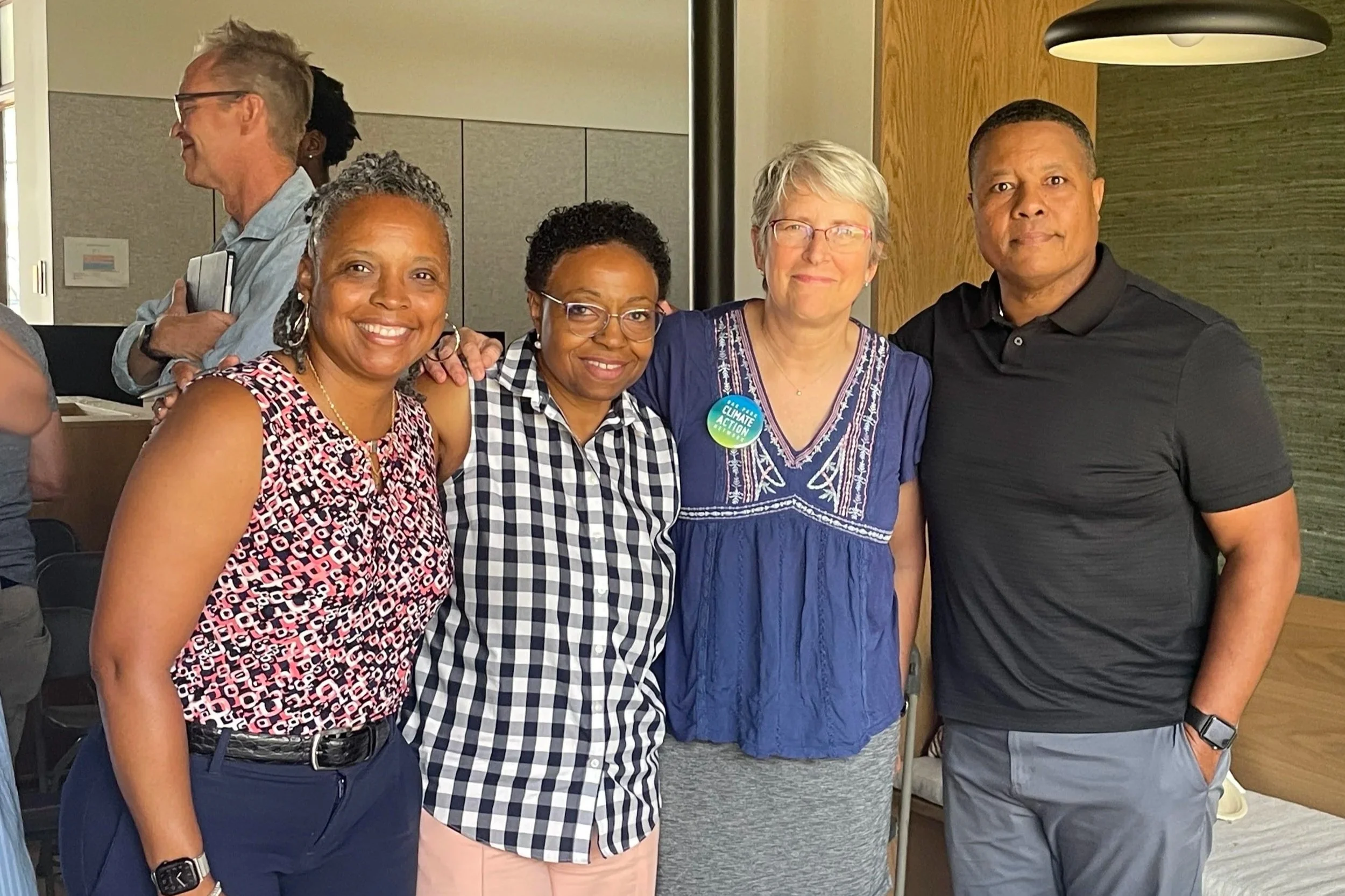
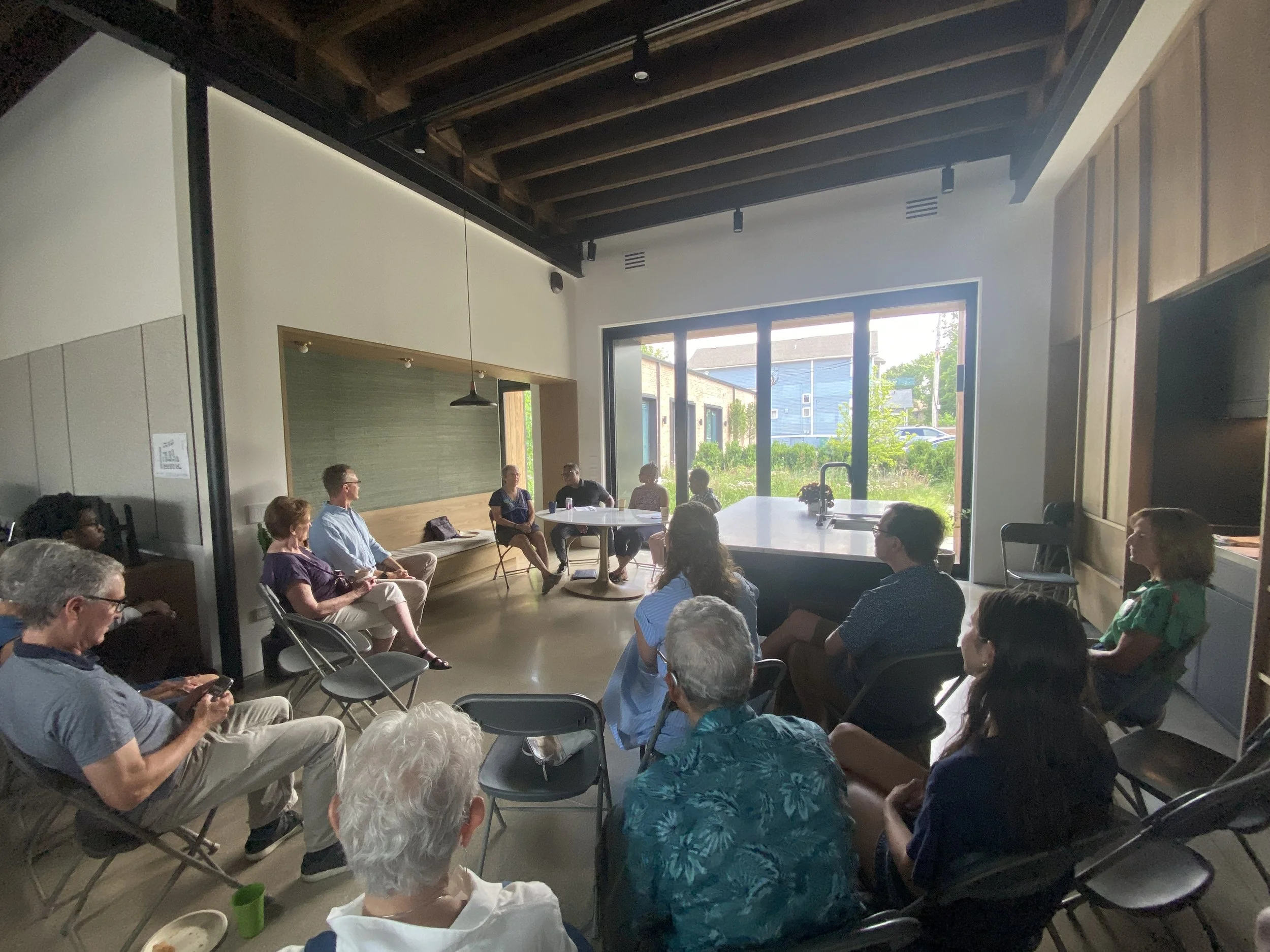
Discussion panelists Mayor Katrina Thompson, Casandra West, Susan Buchanan, and Kevin Jackson
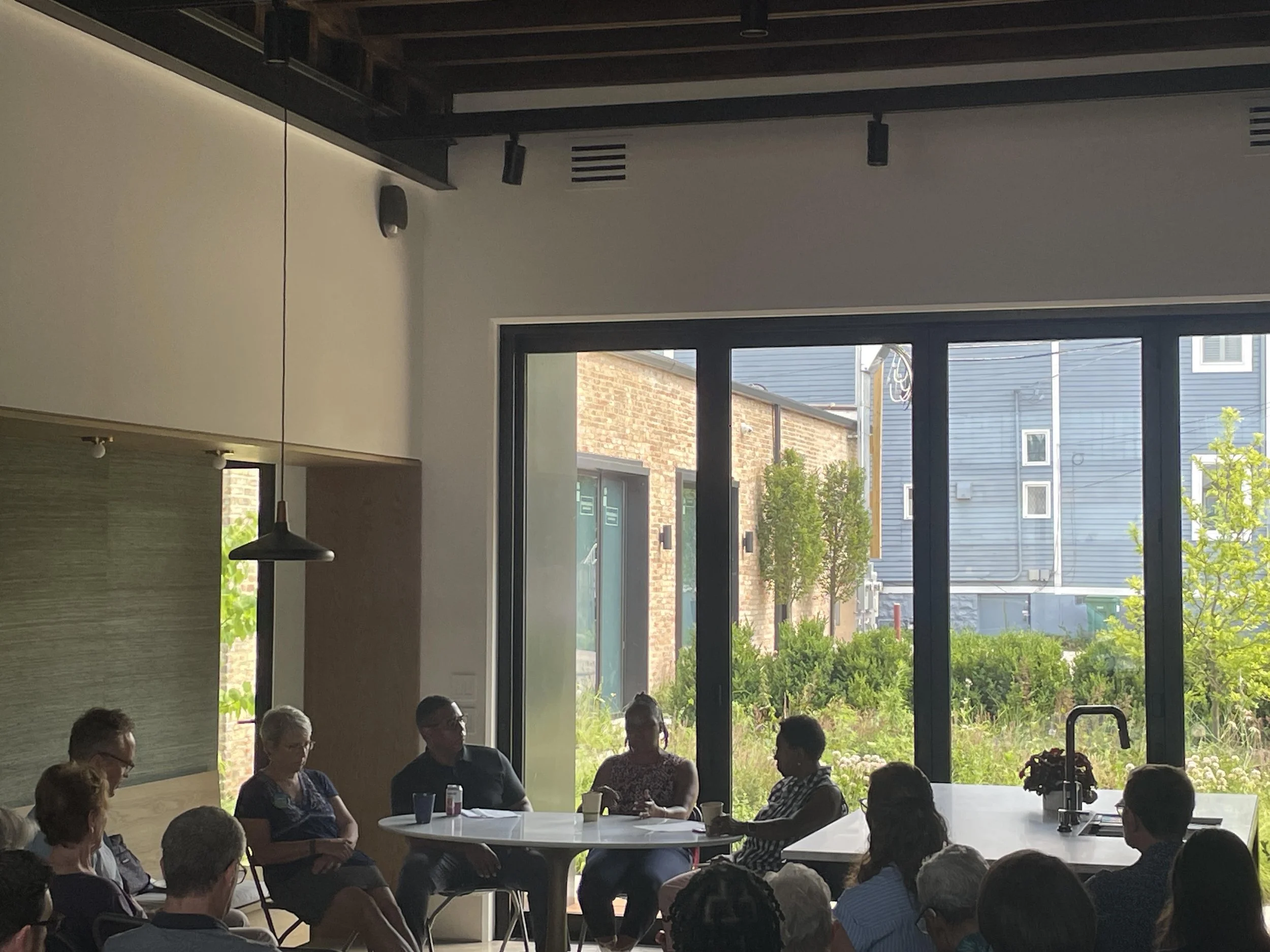
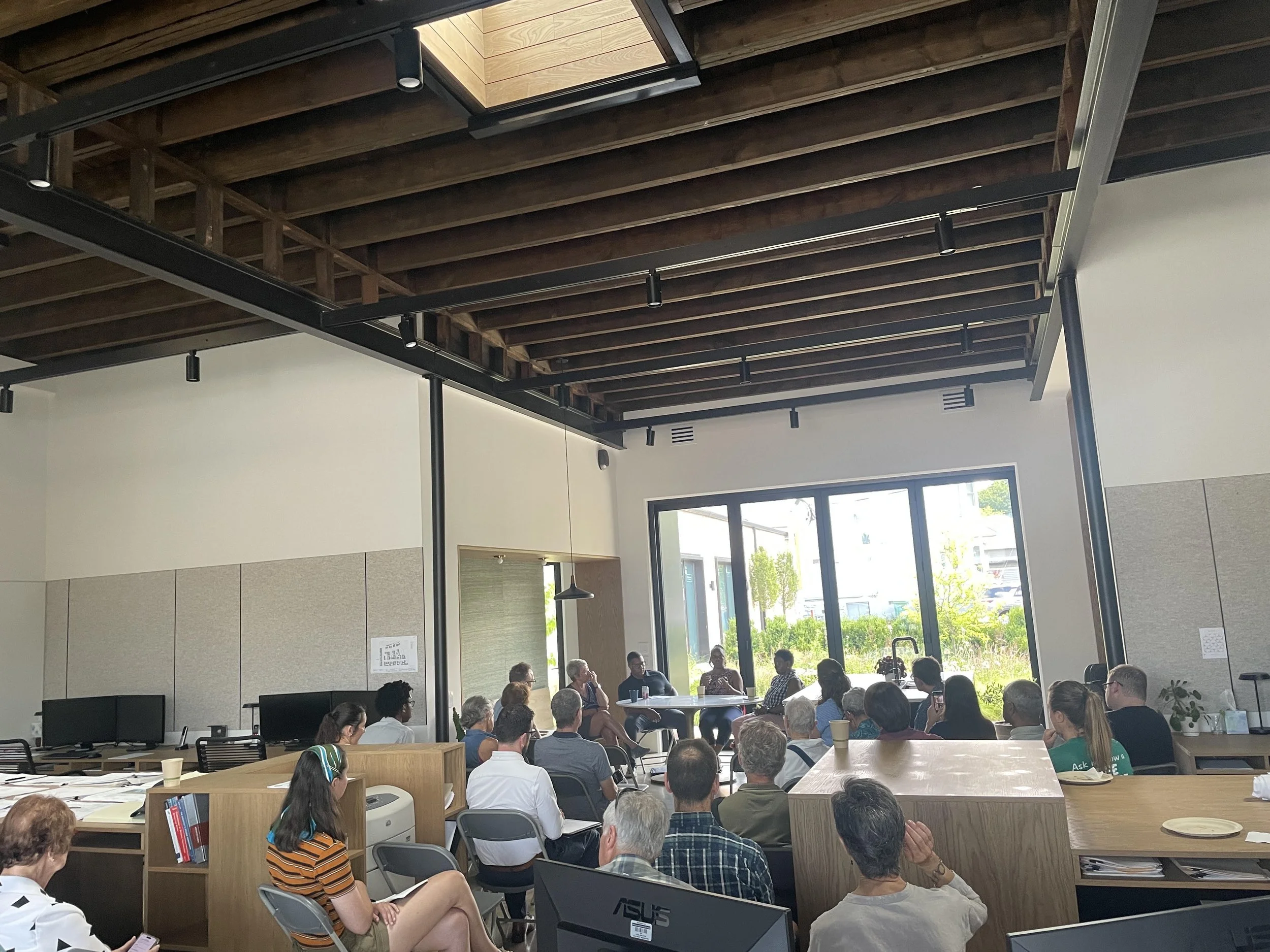
On July 18th as part of Chicago Climate Week, Oak Park Climate Action Network partnered with the Villages of Oak Park and Broadview to lead a discussion on how communities and municipalities can come together in action against climate change.
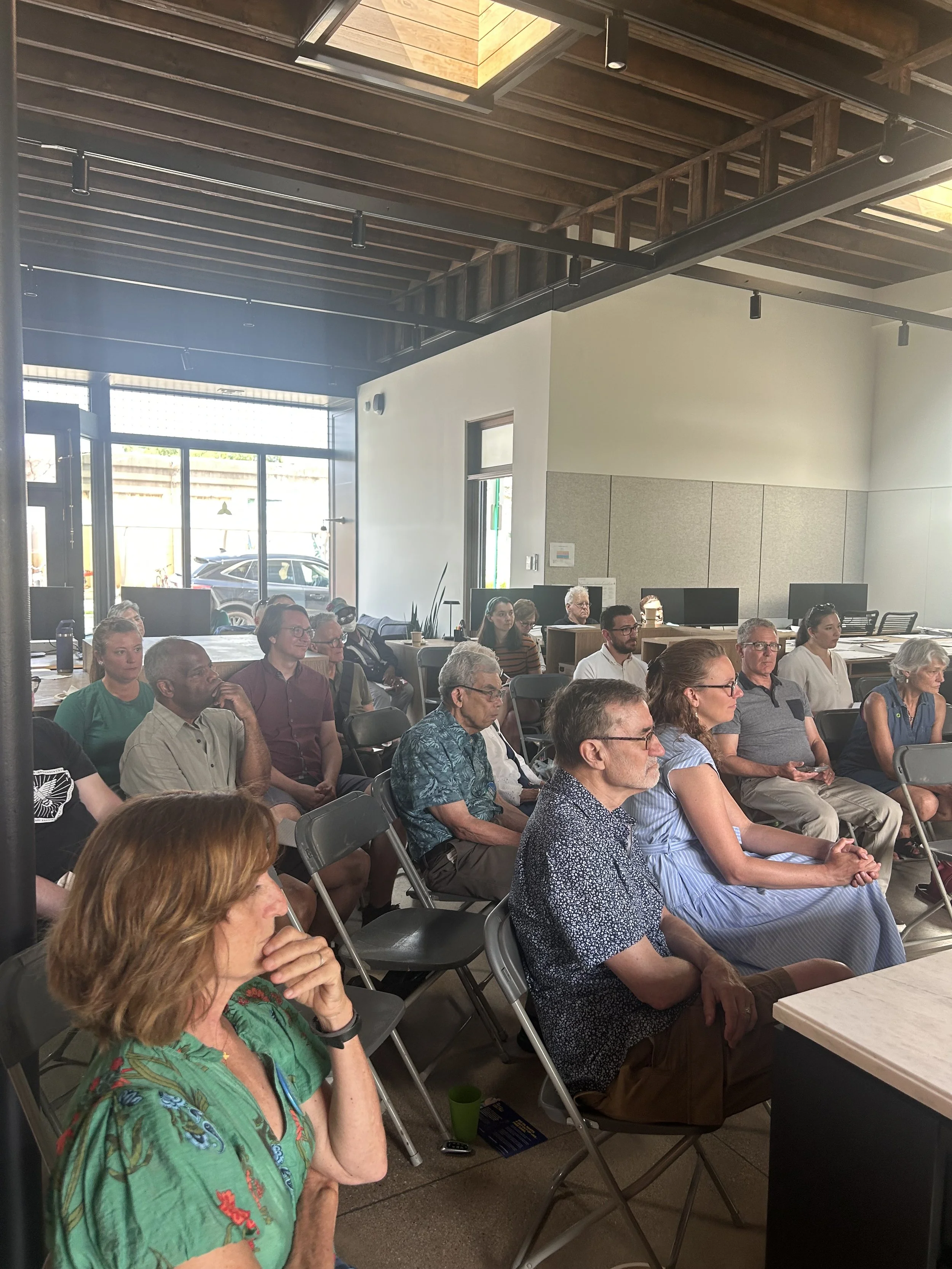
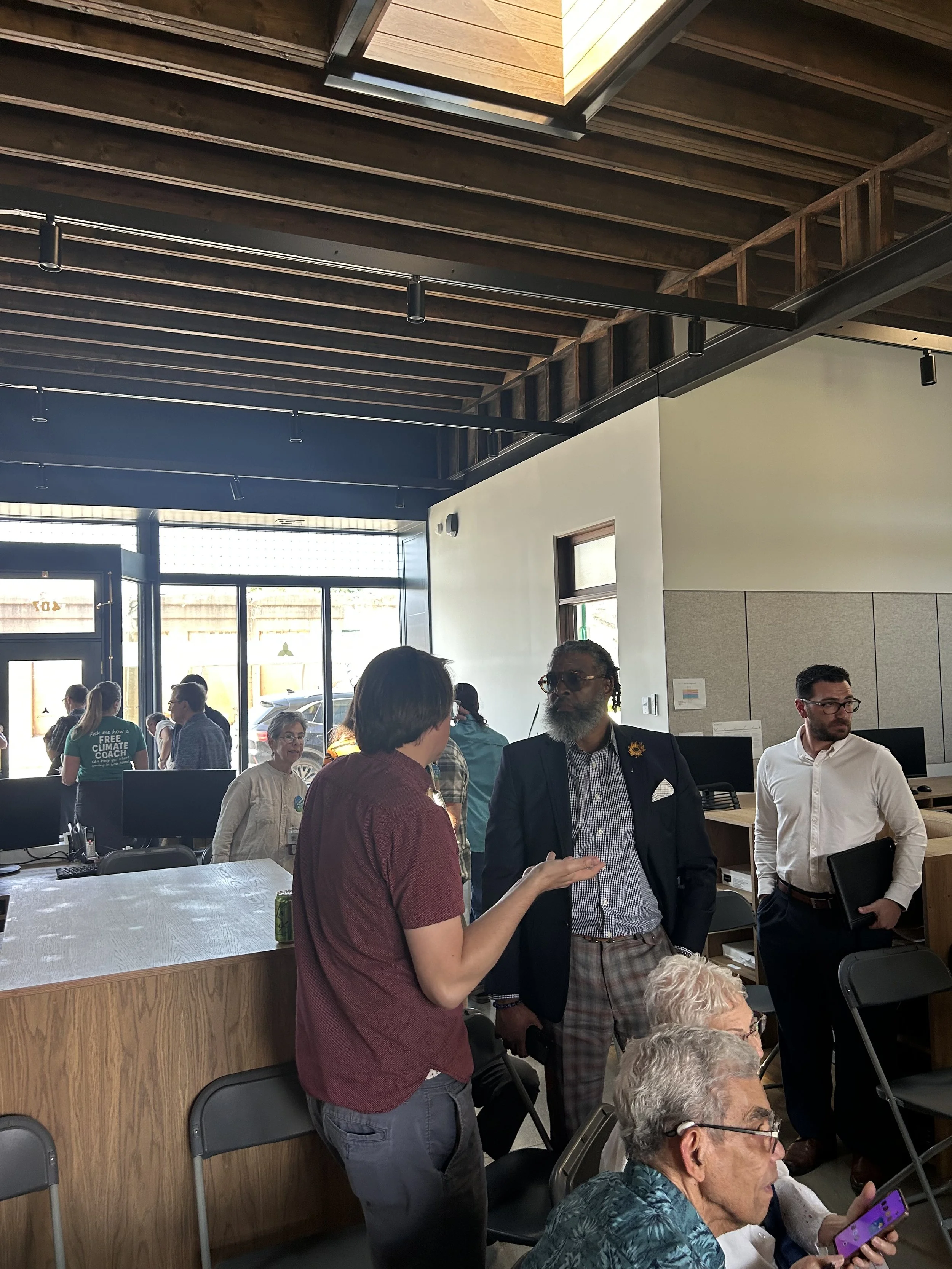
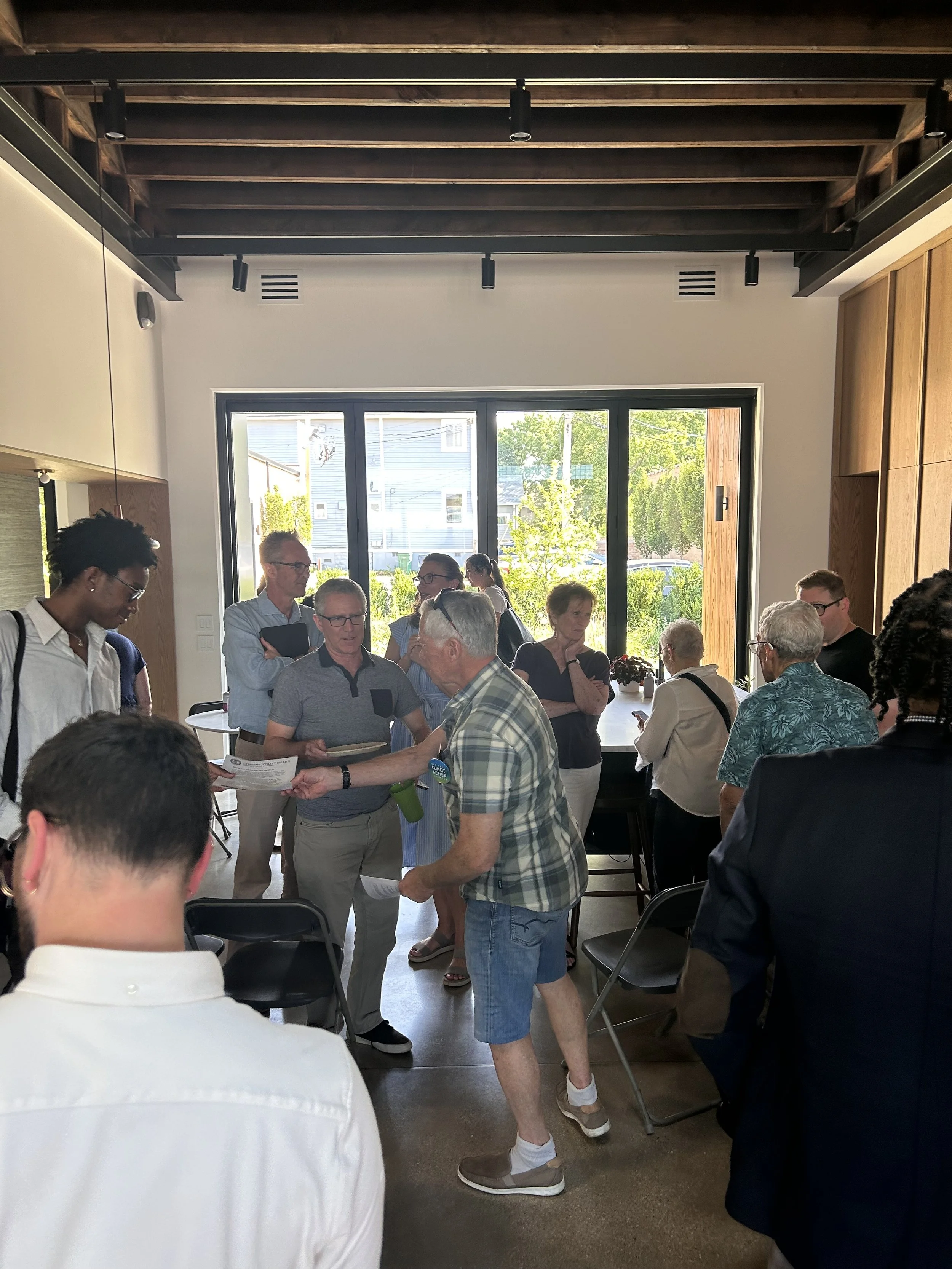
On Saturday afternoon, a crowd of over 30 came together at the Elements Architectural Group. Our gracious host Bill Scholtens, owner of Elements and expert in climate-focused buildings, gave a few words about their mission and their commitment to keeping sustainability and connectivity to the land at the heart of all of their projects.
Facilitated by Cassandra West, assistant editor at Crain’s Chicago and OPCAN member, the panel included three esteemed public leaders in our region, Mayor Katrina Thompson (Village of Broadview), Kevin Jackson (Oak Park Village Manager), and Susan Buchanan (former Oak Park Village Trustee). Both Oak Park and Broadview are part of the C4 collaboration on the Greater Westside of the Chicago region.
Climate Goals into Action
The panel members highlighted ground-breaking policies and programs being implemented by the municipalities, such as:
Oak Park’s electrification ordinance, where all new buildings above 10,000 square feet must only rely on electric energy (not methane gas).
Energy efficiency support programs and loans, to support families and businesses wanting to reduce their need for energy
The Climate Ready Oak Park plan, Oak Park’s visionary climate action plan in its 5th year of implementation.
Panelists Kevin Jackson and Susan Buchanan stressed these as actions they are especially proud of and dedicated to continuing, and that policies like these are most effective when they are tailored to represent the communities they serve.
Collaboration–Essential to Success
Throughout the conversation the idea of collaboration was most frequently discussed. The panelists emphasized that meaningful climate progress depends on collaboration across sectors and municipal boundaries. Examples offered included municipalities learning from one another and leveraging resources between communities; regional collaboration to access grants and shared funding; partnerships between governments, nonprofits, residents, and the private sector; or even OPCAN and other advocacy groups’ role in encouraging climate action with the Village Board.
Funding the Transition
Securing funding remains one of the greatest challenges for municipalities. Panelists discussed the need to balance climate investments with existing responsibilities such as maintaining infrastructure, managing utility services like water and garbage funds, and being accountable to taxpayers. They highlighted that budgeting opportunities included leveraging state and federal grants across communities, regional funding initiatives, climate banks, and investing in grant management resources and teams to support local projects.
When asked what they would implement if funding was not a barrier, panelists envisioned full electrification for all buildings, implementing rooftop solar and battery storage, and achieving net zero in all public buildings.
Everyday Sustainability
One of my favorite quotes from the discussion was by Village Manager Kevin Jackson, “One of the pitfalls of sustainability is in the language we use; they think about the environment, but sustainability should be described as a system not a silo because everything we are doing supports a sustainable community”.
Sustainability is truly an intersectional field, because the impacts of climate change are experienced and felt within housing, public health, the economy, infrastructure, and transportation. Questions from the audience surrounded how we are centering environmental issues as they correlate to health, prompting a discussion on what the municipalities are doing on a local level such as events to promote electrification and reducing gas stove emissions to improve indoor air quality. By framing climate action through health and safety, municipalities can engage a wider audience in support for local initiatives.
Another example as Mayor Thompson pointed out was that Broadview experiences heavy flooding so they made investments with flood control and recently there were no flooding reports from the last heavy storm, demonstrating that municipal investments in climate infrastructure can make a significant impact.
Community Engagement - how do we get involved?
Panelists also explored how municipalities are trying to better connect residents with climate initiatives. Outreach efforts such as newsletters (see here for Oak Park and here for Broadview), community events, and climate coaches were discussed on how to get more info to the communities because as Mayor Thompson vocalized, education is the most important step towards action.
Thank you!
A huge thanks goes out to Elements Architectural Group for hosting, Three Fold Bakery for providing refreshments, and to our esteemed panelists Mayor Thompson of Broadview, Oak Park Village Manager Kevin Jackson, and former Oak Park Trustee Susan Buchanan.